Succulent Plants: Nature’s Water-Storing Wonders
Succulent plants have become one of the most popular choices for indoor and outdoor gardening. They are loved not only for their unique, often quirky appearance but also for how easy they are to care for. Succulents are plants with thick, fleshy tissues specifically adapted to store water, making them perfect for dry climates, busy people, or anyone who loves low-maintenance greenery.
We want to take you through everything you need to know about succulents—from what they are, how to care for them, and why they make a perfect addition to any home or garden.
What Exactly is a Succulent?
When we talk about succulents, we’re talking about plants that have developed a special way to survive in dry, arid environments. These plants store water in their leaves, stems, or roots. Some succulents, like cacti, store water only in their stems and may have no leaves or very tiny ones. Others, like aloe or echeveria, store water mostly in their thick, fleshy leaves.
Succulents aren’t just one type of plant; they’re actually a category that includes thousands of species across many plant families. This makes them incredibly diverse. Some are small and grow only a few inches tall, while others, like the giant saguaro cactus, can grow to impressive heights.
The word “succulent” actually comes from the Latin word sucus, meaning juice or sap, which perfectly describes these water-rich plants.
Why Succulents Are So Popular
One of the main reasons succulents are so popular is their adaptability. We can grow them indoors in small pots or outdoors in rock gardens, and they often thrive with minimal care. Here are a few reasons we love them:
- Low Maintenance: Unlike other plants that need constant attention, succulents survive with little water and can tolerate neglect.
- Decorative Appeal: Succulents come in all shapes, sizes, and colors. From rosettes to trailing vines, they make beautiful additions to homes and gardens.
- Air Purifying: Some succulents, like aloe vera, also purify the air and can even be used for medicinal purposes.
- Drought-Resistant: Perfect for areas with low rainfall or for gardeners who forget to water frequently.
Different Types of Succulents
Succulents are not all the same. They come in various forms, and we can categorize them based on where they store water and their general appearance.
1. Leaf Succulents
These are the succulents most people recognize. They store water primarily in their leaves. Popular examples include:
- Echeveria: Known for its rosette shape and pastel colors.
- Hens and Chicks (Sempervivum): These form clusters and are very hardy.
- Jade Plant (Crassula ovata): A classic houseplant that stores water in thick, rounded leaves.
2. Stem Succulents
These store water mainly in their stems. They may have tiny or no leaves at all. Examples include:
- Cacti: Probably the most famous stem succulents. Their stems are thick and spiny, which helps protect their water supply.
- Euphorbia: Some species resemble cacti but are not actually cacti.
3. Root Succulents
Some succulents store water in their roots. These are less common but very interesting. Examples include:
- Dahlia-like plants (some desert bulbs): These survive long dry periods underground.
How to Care for Succulents
Caring for succulents is simpler than many other plants, but we still need to understand their basic needs.
Light
Succulents love sunlight. Most varieties need at least 6 hours of bright, indirect sunlight per day. If we keep them indoors, placing them near a south-facing window usually works best. Too little light can cause them to stretch out and lose their compact, attractive shape—a phenomenon called etiolation.
Watering
Overwatering is the number one reason succulents die. We need to water them deeply but infrequently. The general rule is to let the soil dry out completely between waterings. During winter, succulents go dormant and require even less water.
Soil
Succulents need well-draining soil to prevent root rot. A cactus or succulent-specific mix is ideal. If we use regular potting soil, mixing in sand, perlite, or pumice helps improve drainage.
Temperature
Most succulents prefer warm temperatures but can tolerate a range. They generally thrive in 60–80°F (15–27°C). Some cacti can survive freezing temperatures, but many tropical succulents cannot.
Fertilizer
We can fertilize succulents lightly during the growing season (spring and summer) using a balanced, water-soluble fertilizer diluted to half strength. Over-fertilizing can actually harm them.
Propagating Succulents
One of the best things about succulents is how easy they are to propagate. We can grow new plants from leaves, cuttings, or offsets.
- Leaf Propagation: Some succulents, like echeveria, grow new plants from healthy leaves. We just remove a leaf, let it callous for a day or two, and then place it on soil. Roots and new rosettes will form over a few weeks.
- Stem Cuttings: For plants like jade or snake plants, we can cut a stem segment and let it dry before planting it in soil.
- Offsets or Pups: Many succulents produce small “baby plants” at their base. We can remove these and plant them separately.
Common Problems and How to Solve Them
Even though succulents are hardy, they aren’t invincible. Here are a few problems we might face:
- Overwatering: Leaves become mushy, yellow, or drop off. Solution: Reduce watering and ensure proper drainage.
- Underwatering: Leaves wrinkle or shrivel. Solution: Water more frequently, but don’t flood the plant.
- Pests: Mealybugs, spider mites, and aphids sometimes attack succulents. We can wipe the leaves with alcohol or use insecticidal soap.
- Sunburn: Too much direct sunlight can leave brown or white spots. Move the plant to a spot with filtered light.
Creative Ways to Display Succulents
Succulents aren’t just functional—they’re fun and beautiful. We can get creative with how we display them.
- Terrariums: Small glass containers create mini succulent worlds.
- Vertical Gardens: Succulents work well in wall planters or hanging frames.
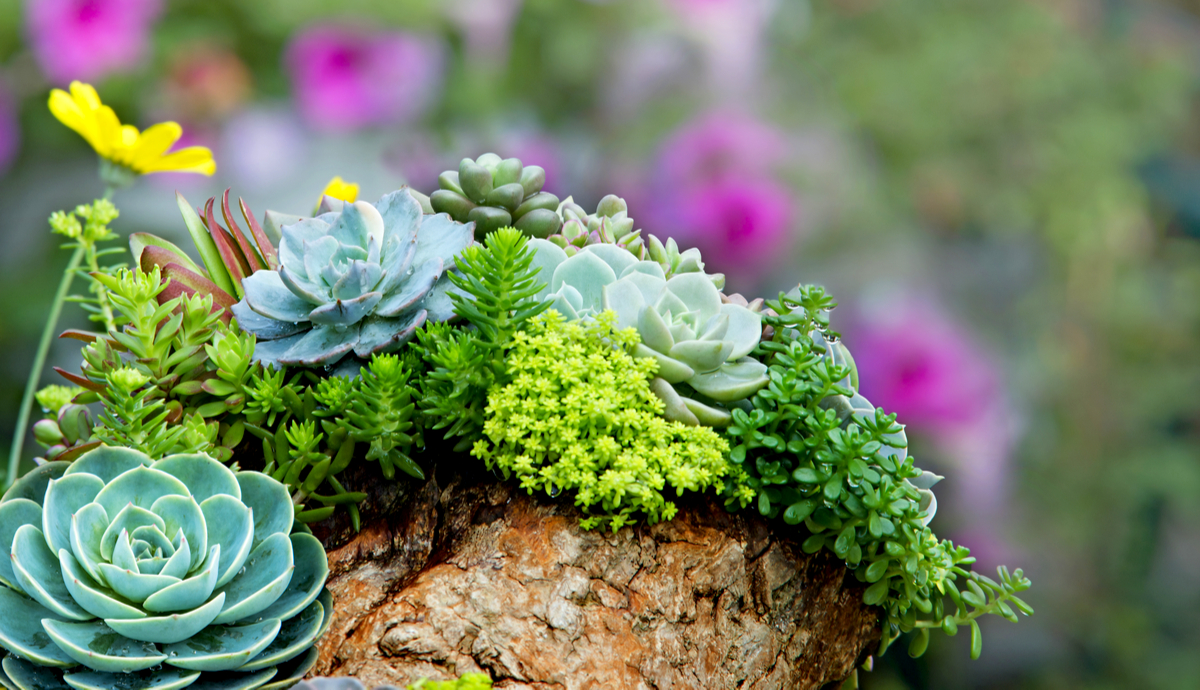
- Mixed Pots: Combining succulents of different colors and textures creates a striking display.
- Fairy Gardens: Tiny succulents are perfect for whimsical miniature landscapes.
Fun Facts About Succulents
- Some succulents can live for decades, like the giant saguaro cactus.
- Aloe vera is not just decorative—it’s widely used in skincare for its soothing properties.
- The water-storing ability of succulents inspired some engineers to design water-efficient materials.
- Succulents can survive long periods without water, making them ideal for emergency kits or desert survival gardens.
Conclusion
Succulents are truly remarkable plants. They combine beauty, resilience, and low-maintenance care in a way few plants can. Whether we’re experienced gardeners or just starting, succulents provide an opportunity to connect with nature, decorate our spaces, and even experiment with plant propagation.
By understanding their basic needs—light, water, soil, and temperature—we can ensure our succulents thrive. They remind us that even in harsh conditions, life finds a way to flourish. So, let’s grab a pot, some soil, and a few succulents, and bring a little piece of the desert or tropics into our homes.
Explore the latest entertainment news and reviews at. My Wape!